
IIn the heavy industries of mining and port terminals, equipment abrasion, material clogging, and frequent maintenance have long been key pain points that affect operational efficiency and increase production costs. Traditional materials such as steel and rubber can hardly meet the demands of long-term use in harsh working environments, which is why UHMWPE materials have become the preferred choice for industrial wear protection solutions.
As a kind of high-performance engineering plastic, Ultra-High Molecular Weight Polyethylene (UHMWPE) offers outstanding performance in wear resistance, impact resistance, and low friction properties. It is widely used in bulk material handling systems, especially for manufacturing high-quality UHMWPE sheets and customized lining components. For enterprises with special working conditions, custom UHMWPE sheets can be processed into different sizes, thicknesses, and structures to perfectly match various equipment needs. According to professional industrial material data from Plastics Industry Association, UHMWPE is recognized as one of the most durable thermoplastics for heavy-duty applications.https://dzdxuhmwpe.com/
UHMWPE Mining Liners for Mining Chute and Hopper Protection
Mining chutes, hoppers, and bins are constantly impacted and abraded by hard materials such as ore, coal, and gravel. UHMWPE mining liners provide reliable protection for these key components, greatly reducing surface wear and extending equipment service life.
The excellent self-lubricating feature of UHMW ensures smooth material flow, effectively preventing material adhesion and blockage in mining chutes. Compared with traditional metal liners, wear resistant UHMWPE liners are lighter in weight, easier to install, and have stronger corrosion resistance, which significantly reduces maintenance workload and operating costs for mining sites. As noted by Mining Technology, high-performance lining materials are critical to improving the stability of mining conveying systems.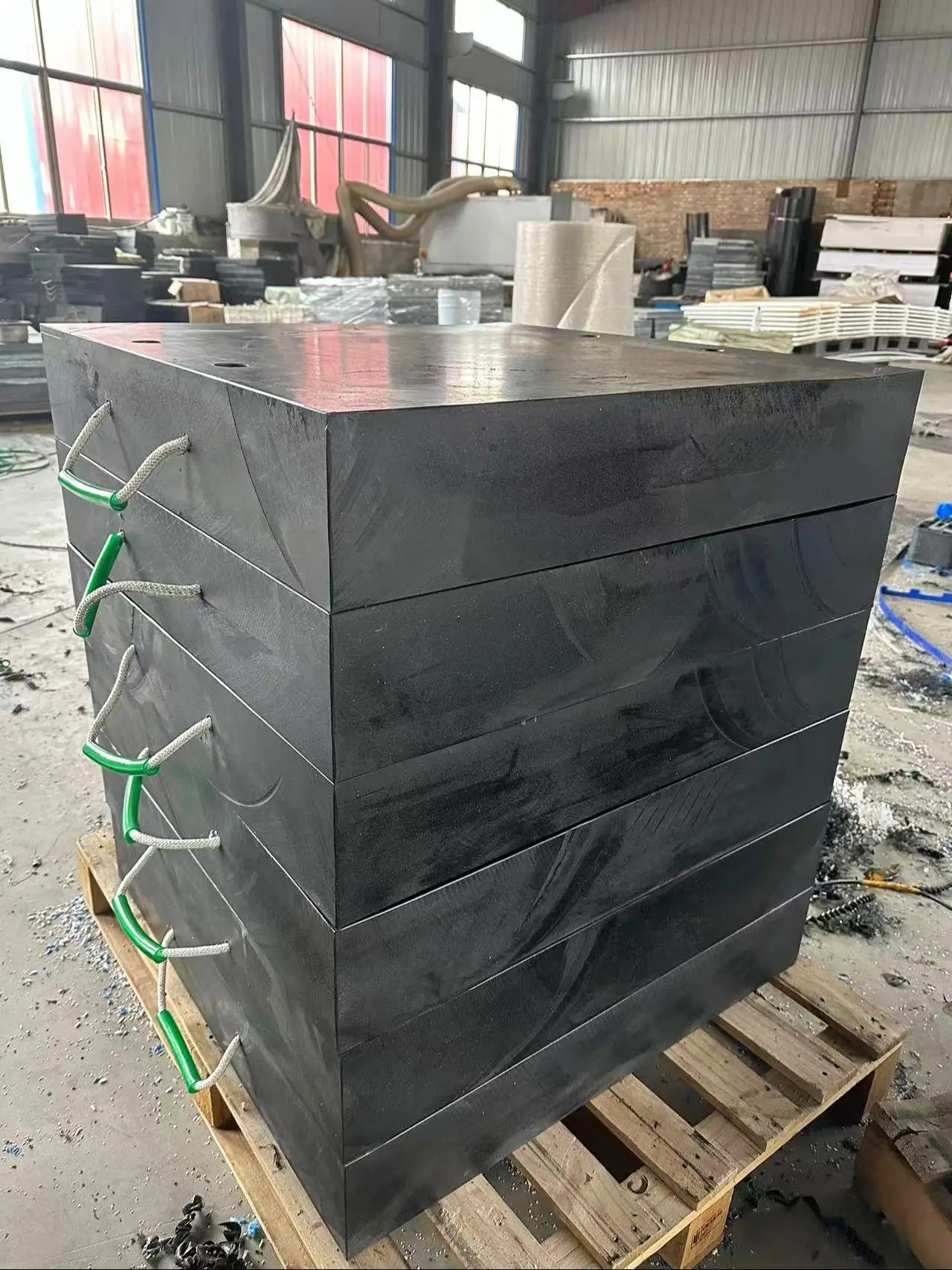
UHMWPE Port Liners and Discharge Plates for Port Terminal Applications
Port terminals operate in high-humidity, salt-spray environments, requiring materials with excellent corrosion resistance and wear resistance. UHMWPE port liners are specially designed to adapt to such harsh working conditions, protecting hoppers, conveyor systems, and storage bins from abrasion and corrosion.
In addition, UHMWPE discharge plates play an important role in port loading and unloading systems. Their low-friction surface speeds up material discharge, avoids residue accumulation, and improves overall handling efficiency for port terminals. Related industrial standards and application guidelines can be referenced on Port Operators and Maritime Association.
Core Advantages of UHMWPE Materials in Mining and Port Applications
- Excellent wear resistance, providing longer service life than steel and rubber liners
- Low friction and anti-blocking properties, ensuring stable and smooth material flow
- Light weight and easy processing, making installation and replacement more efficient
- Strong corrosion resistance, ideal for humid and salt-rich port environments
- High impact resistance, not easy to crack or break under heavy impact loads
- Fully customizable to fit different chute, hopper, and discharge equipment structures
Conclusion
Ultra-High Molecular Weight Polyethylene (UHMWPE) has become an indispensable material in modern mining and port terminal operations. With superior performance and flexible customization, UHMWPE materials, including UHMWPE sheets, mining liners, port liners, and discharge plates, effectively solve equipment wear and material blockage problems. For industrial customers looking for stable, durable and cost-effective wear protection solutions, customized UHMWPE products are the optimal choice to improve efficiency and reduce long-term operation costs.